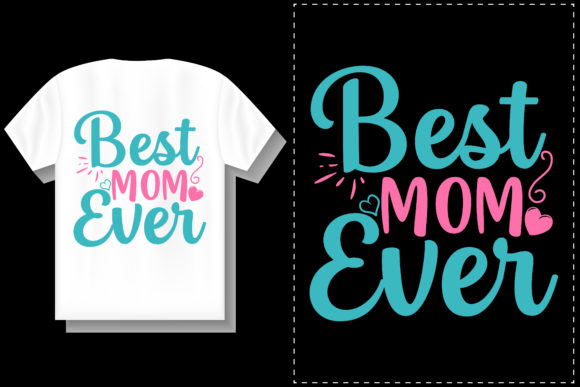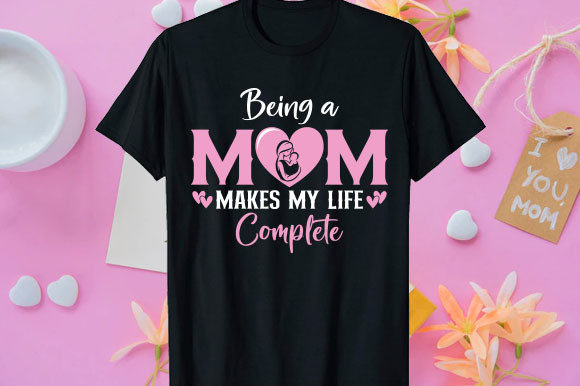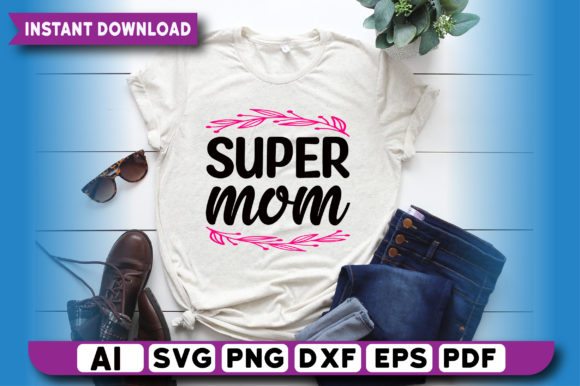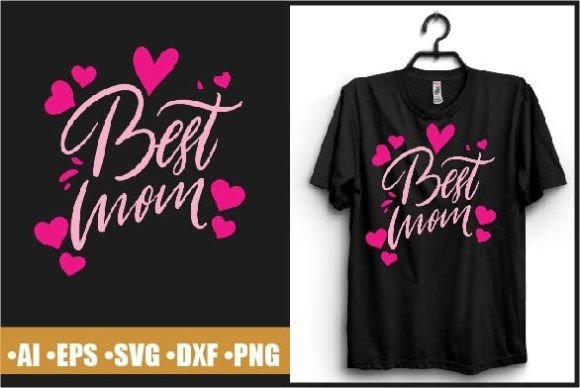
Bonus Mom Shirt, Mother s Day T-shirt Graphics and Print Templates Review
In the world of digital publishing, visual assets are not merely decorative; they are functional tools that dictate reader engagement, trust, and conversion. As a blog designer and digital publisher who has spent years refining editorial layouts for high-traffic content sites, I approach every new graphic design asset with a critical eye. It is not enough for an image to simply look "nice." It must serve the content, support the brand identity, and perform well across various digital touchpoints, from mobile feeds to newsletter headers.
Recently, I evaluated a specific design asset titled Bonus Mom Shirt, Mother s Day T-shirt. This item falls under the categories of Print Templates and Graphics, specifically targeting the lifestyle and parenting niches. Below is my detailed review on how this asset integrates into real-world publishing workflows, its editorial value, and where it shines—or stumbles—in a professional content ecosystem.
First Impressions and Editorial Mood
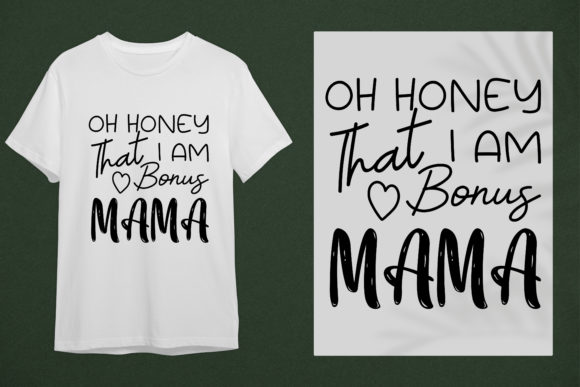
When you first load the preview of the Bonus Mom Shirt, Mother s Day T-shirt, the immediate takeaway is its strong emotional resonance. The design features a beautiful quote centered around the concept of bonus moms—stepparents, godmothers, or mentor figures who play a maternal role. For bloggers in the stepfamily, blended family, or modern parenting niches, this creates an instant connection. It feels warm, inclusive, and celebratory.
The aesthetic leans toward a clean, modern design style. It avoids overly cluttered or chaotic elements, which is crucial for editorial design. In content marketing, clarity is king. A busy graphic can distract from the headline or the call-to-action (CTA). This asset strikes a balance between being playful enough for social media yet polished enough for a professional blog post. It suggests a feminine, soft, yet confident tone, making it ideal for websites that aim to build community and empathy rather than just deliver hard news.
Integrating the Asset into Publishing Workflows
The technical specifications provided are robust. The inclusion of EPS, SVG, and PNG files at 4500×5400 resolution and 300 dpi means this is a high-quality digital download suitable for both web and print. Here is how I would deploy this asset across a typical content publishing stack:
- Blog Featured Images: Use the PNG version as a background overlay for article headers. The high resolution ensures it remains crisp even when scaled down for thumbnails.
- Pinterest Pins: This is perhaps the strongest use case. Pinterest is a visual search engine, and lifestyle graphics with clear quotes perform exceptionally well. The vertical aspect ratio implied by the dimensions works perfectly for pin designs.
- Newsletter Graphics: Embed the SVG version in HTML emails for a scalable, lightweight image that looks sharp on Retina displays.
- Digital Guides and Lead Magnets: Create a downloadable PDF worksheet or eBook cover using the EPS file. This adds perceived value to your lead magnet, encouraging email sign-ups.
- Social Media Posts: Repurpose the design for Instagram or Facebook posts, adding your own text overlays to create shareable quotes.
- Canva Templates: If you sell templates to other creators, this vector file can be easily imported into Canva, allowing users to customize colors while maintaining the core design integrity.
Impact on Content Performance and Brand Identity
Using a cohesive set of design assets directly influences user experience metrics. When a reader lands on your site, consistent visual language reinforces brand identity. If your Bonus Mom Shirt, Mother s Day T-shirt graphic matches the color palette and typography of your blog, it signals professionalism and attention to detail.
This consistency improves reader trust. In affiliate marketing, where you might recommend products or services related to family life, a polished visual presentation reduces friction. Readers are more likely to click through to offers if the surrounding content looks credible. Furthermore, a clear visual hierarchy—where the graphic supports the headline rather than competing with it—can boost click-through rates (CTR) on social platforms.
For small business owners and creative entrepreneurs selling physical merchandise like t-shirts, this asset serves as a mockup-ready design. However, for publishers, its primary value lies in enhancing the storytelling aspect of your content. It helps illustrate abstract concepts like "family bonds" or "modern motherhood" in a tangible way.
Strategic Placement: Where It Works Best
To maximize the utility of this graphic, consider these optimal placements:
- Hero Images: Place the design prominently at the top of landing pages or category archives dedicated to family topics.
- Article Thumbnails: Use it as a distinct icon or badge within listicle posts to draw the eye.
- Editorial Accents: Insert smaller versions of the graphic as dividers or section headers within long-form articles to break up text.
- Content Upgrades: Offer a printable version of the quote as a freebie, driving traffic back to your main content.
- Media Kits: Include this type of work in your portfolio to demonstrate versatility in creative design for lifestyle brands.
Cautions and Limitations
No single asset fits every scenario. There are contexts where this design should be used carefully or avoided entirely:
- Small Mobile Thumbnails: At very small sizes, intricate details or fine text may become illegible. Always test the thumbnail view on mobile devices.
- Text-Heavy Blog Images: If the graphic already contains a quote, adding more text can create visual noise. Keep overlays minimal.
- Low-Contrast Backgrounds: Ensure the graphic stands out against your website’s background. Dark backgrounds may require lightening the asset, while light backgrounds might need a drop shadow.
- Busy Layouts: Avoid placing this over complex patterns or photos unless the graphic is isolated or heavily modified.
- Serious Professional Niches: For corporate finance, legal, or medical content, this playful design may undermine authority. Reserve it for lifestyle, parenting, and personal development niches.
Practical Publisher Notes for Implementation
Before integrating the Bonus Mom Shirt, Mother s Day T-shirt into your live site, follow these technical checks:
Test Across Devices: Preview the graphic on desktop, tablet, and mobile screens. Check how it scales in different containers.
Check Contrast and Readability: Use accessibility tools to ensure the text within the graphic meets contrast ratios against your chosen backgrounds.
Font Pairing: Experiment with pairing the graphic’s existing typography with your site’s fonts. Try combining it with serif fonts for a traditional feel, sans-serif for modernity, or script/handwritten fonts for a personal touch. Display fonts can add impact but should be used sparingly.
Optimize File Size: Even though the source files are high-resolution, export web-friendly versions. Compress images properly to maintain fast page load speeds, which is critical for SEO and user retention.
Verify Licensing: Confirm the commercial license terms. If you are using this on monetized websites, affiliate pages, or paid content products, ensure you have the right to reproduce and distribute the design. Many marketplaces offer different tiers of licenses for personal vs. commercial use.
Final Verdict
The Bonus Mom Shirt, Mother s Day T-shirt is a versatile and emotionally resonant graphic design asset. Its high-resolution formats and clean aesthetic make it a valuable addition to any publisher’s toolkit, particularly for those in the lifestyle, parenting, or family-oriented spaces. By leveraging this asset strategically across blog graphics, social media visuals, and digital products, you can enhance your editorial quality, strengthen your brand identity, and ultimately drive better engagement with your audience.
Whether you are creating a new digital guide, updating your website header, or designing a Pinterest pin, this design offers the flexibility and polish needed to compete in today’s crowded digital landscape. Just remember to test thoroughly, respect licensing agreements, and always prioritize the user experience above all else.